
Category: Curated Climate News


Let’s Stop Calling Climate a Green Risk

January 2026
Dear Friends,
Welcome to the great era of “green hushing.” It’s a mind-bending moment in the U.S. when climate change increasingly imperils our economy and well-being, but policymakers, scientists, businesses, teachers, reporters, federal agencies, and even park rangers are not supposed to talk about it.
The Trump administration’s animus toward “all things green” – including the scientific inquiry that enables us to measure climate change and understand its scale and scope – is working to silence climate discussion and stop critical innovation that could mitigate the threat. Banks have retreated from climate-forward lending, companies no longer speak much about their decarbonization goals, clean-energy projects that promised high-paying jobs and lower energy costs are being canceled, and the U.S. is dropping out of more than 60 international organizations involved with biodiversity, conservation, and climate change. Even the Democratic party has muted its climate messaging, recognizing its longer-term focus isn’t resonating in today’s “hair on fire” political environment.
But, unfortunately, simply “canceling” climate change won’t make it go away.
Two reports issued in January underscore how climate change’s impacts on temperatures and ecosystems are threatening our economic and geopolitical security.
In the first, the United Nations declared that the world is now in “water bankruptcy,” and water systems have been so compromised we cannot reverse the damage. Water systems are being stressed both by climate change – which alters rain patterns, concentrates water pollution, and leads to more frequent and severe droughts – and excessive uptake from aquifers, lakes, rivers, and reservoirs. Concerningly, already three-quarters of humanity live in water-stressed environments, and the challenge will only get greater as temperatures continue to rise. Water stress has been linked to the current unrest in Iran and to the Syrian civil war, and military leaders around the world warn that water scarcity and stress can be weaponized and can lead to increased global instability.
The second report, issued by UK’s Joint Intelligence Committee and based on information from MI5 and MI6, recognizes impending ecosystem collapse as a direct threat to national security. Climate change is turning rainforests into savannahs, coral reefs into lifeless skeletons, boreal forests into wildfire tinder, and is permanently melting critical mountain glaciers. Britain’s security forces predict these ecosystem losses across the world will drive up food insecurity, increase migration, change global weather patterns, and increase the risks of pandemics. These same threats, of course, are true for us on this side of the Atlantic (and climate threats have been named as such in our own intelligence assessments from 2009 until last year).
These security warnings are crystal clear: large-scale disruption of our natural world directly destabilizes our human world.
So, let’s stop calling climate a green risk. Let’s recognize it for what it really is – an economic risk, a health risk, and a security risk.
And let’s start talking loudly about it.
Sincerely,
Kathleen Biggins
Founder and President
Notable Quote
“Enough critical systems around the world have crossed these [water bankruptcy] thresholds. These systems are interconnected through trade, migration, climate feedbacks, and geopolitical dependencies, so the global risk landscape is now fundamentally altered.”
– Kaveh Madani, director of the UN University’s Institute for Water, Environment, and Health
News of Concern
After years of declining emissions, U.S. carbon pollution increased 2.4% last year, in part due to increased coal usage. Experts believe federal policies set into place in 2025 to boost fossil fuels and curtail clean energy will add to emission pressure in the future.
This push to suppress clean energy is a bigger deal than many realize. It’s not just emissions that are rising – electricity demand and prices are skyrocketing, too. Clean energy can come online in a year or two, while fossil fuel plants and nuclear plants usually take five to 10 (or more) years, respectively. So it is concerning that at a time when we need more supply immediately, almost 2,000 new power projects were canceled last year, with the vast majority (93%) of them in clean-energy generation.
The Trump administration also announced it is shutting down one of the crown jewels of climate research – the National Center for Atmospheric Research. This lab is critically important for predicting, preparing for, and responding to severe weather. The administration’s dismantling of climate institutions and initiatives is so widespread across weather tracking and preparedness, investments in clean technologies, and federal agencies that many say it will take generations to repair.
As warming air and oceans cause Greenland’s ice to melt, access to shipping lanes is expanding and long-buried, important minerals are becoming accessible. But as nations battle over who will control that power and those dollars, we are concerned that the world will lose sight of just how important this island is to our climate and the health of our planet.
One reason researching climate is so critical? To keep our homes safer from more frequent climate-enhanced natural disasters. Whether it’s bigger hailstones, faster-moving fires, or more intense hurricanes, our primary investments – our homes – are increasingly at peril. We can prepare ourselves better for the future if we understand the risks. Real estate buyers can now access climate risk information on every listing. However, this new input is roiling real estate markets because it can harm a seller’s ability to sell a home if climate metrics are poor. It’s another example of the pain ahead as we reckon with the reality of climate change, and begin to price it into our systems.
Another reckoning ahead is with our growing plastic addiction. A new report projects plastic pollution is on track to grow by an astounding 58% by 2040: if global plastic pollution were a country, it would be the world’s third-largest emitter. Plastic is a double whammy of climate woes – made from petroleum and produced with petroleum. It’s already clogging our waters and harming our bodies, and similarly to climate change, policymakers are struggling to deal with the problem.
And if you’re reading this while drinking a cup of coffee, we’ve learned that our beloved joe may taste very different in the near future. As climate change damages coffee forests, Brazilian farmers are moving away from smooth arabica beans to more bitter robusta beans, which are more heat and disease resistant.
Finally, it’s when the impacts of climate change hit home that we really begin to understand the threat. This poignant story of a Christmas village in Washington State shows just how fragile we are. Besieged by fire, storms, and power outages, this small mountain town that relies on tourism is scrambling to pick up the pieces from a holiday season that wasn’t. It’s a heartbreaker.
News of Hope
While clean-energy development is hitting headwinds in the U.S., it’s soaring globally. Some important milestones achieved in 2025:
The world produced more electricity from renewable sources than from coal.
The EU produced more electricity from wind and solar than all fossil fuels combined.
In both China and India, the world’s largest and third-largest greenhouse gas emitters respectively, coal-powered electricity generation dropped due to the rapid growth of renewables.More than 25% of all new cars purchased were electric, and sales are rising rapidly because they are now cheaper than combustion engine cars in emerging markets.
The global renewables boom is pushing investment in the cleantech sector to new heights. And it’s happening in places you might not expect. Saudi Arabia is deploying solar energy at the fastest rate in the world, on pace to generate 50% of its electricity with clean power within five years.
In the U.S., batteries are growing at astounding rates. This is a game-changer. During sunny and windy periods, we often produce an excess of cheap, clean energy and have to throw it away. With batteries, we can save that extra energy and use it at peak times after the sun has set, displacing more expensive and emission-intensive fossil fuels.
The renewables and batteries we’ve added are also making our grids more reliable – including helping us meet climate-enhanced winter storm challenges. Experts especially noted that Texas’s grid – with its expanded use of batteries and weatherization of fossil resources – bore the strain of the monster January storm that swept the country, in contrast to a 2021 storm when that grid was more heavily dependent on fossil fuels resources.
The Mid-Atlantic and Northeast corridors received good news this month on resiliency as well. Judges allowed offshore wind development to get back on track at several projects that had been stopped mid-stream last year. Offshore wind peaks in winter, which should help strengthen the grid in future winter storms, and it also can lower our costs during cold weather when our higher-priced natural gas supply is stretched due to heating and electricity demands.
In North Carolina, small mountain towns that were battered by hurricanes in 2024 are not just adapting their infrastructure, they’re re-envisioning their resilience, building microgrids, adding batteries, and thinking of new ways to stay safe from the next storm.
And in the southernmost part of the world, glaciologists are re-envisioning our future by protecting our ability to look to the past. Glaciologists fear ice cores – one of our most important lenses into the Earth’s history – will melt away. So they are building an ice storage vault in Antarctica to enable future scientists to study the ice. It’s an important reminder of how quickly nature is changing around us, and of our need to protect critical resources.
Notable Graph
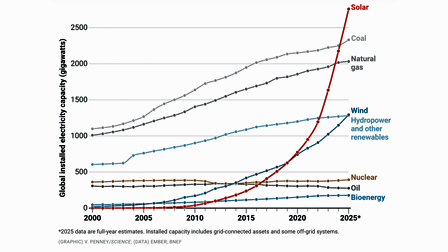
Science magazine named the renewable energy surge as its “2025 Breakthrough of the Year.” This chart shows the astounding growth of installed capacity that has been driven by falling prices of solar and other renewable sources.
Notable Video
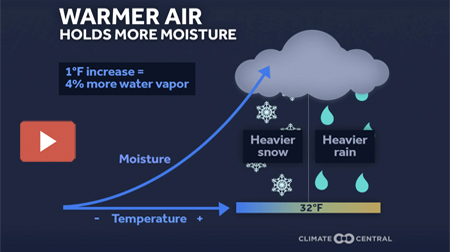
Ice, snow, polar vortex – they’re all connected to climate change, and they merged Jan. 23-25 to sweep the country in a major winter storm. This Climate Central video provides a terrific explanation of how warming global temperatures impact cold weather events.
C-Change Conversations helps people understand the science and risks of climate change and why it matters in daily life.
We frame climate change as a human and community issue – not a political one – and discuss its impacts on our jobs and economy, our health and safety, and our geopolitical stability, as well as the solutions that offer us a safer future.
C-Change seeks to bring everyone to the table for shared understanding about climate change. You can be a part of the conversation by sharing this newsletter with family, friends, and colleagues and by inviting us to talk to your community.

November/December 2025
Dear Friends
At a time of year when we come together with friends and family, our thoughts turn to the importance of hearth and home. Our homes are so much more than four walls: they are the place where family memories are created and community is built. They are also usually our biggest purchase and our most important financial asset. That’s why it is critically important we protect our homes from climate change’s physical and economic damages.
Many people know that climate change can harm our homes in a wide variety of ways: from longer and hotter heatwaves, torrential rainstorms, more powerful hurricanes, fiercer wildfires, stronger windstorms, bigger hailstones, and higher sea surges in coastline communities.
But many don’t realize that these physical challenges are putting pressure on our insurance system, and that fact is beginning to impact the value of our homes and other investments. Insurance only works if the costs are high enough to reward the insurance company for taking the risk and low enough to be acceptable for a wide swath of policyholders. In many markets, we are crossing that threshold – insurance companies deem the risks too high because of climate change and policyowners across the country are finding themselves shut out of the market or paying through-the-roof premiums.
This is clearly bad news for individual homeowners and for vulnerable communities but also has worrisome implications for our whole economy. Insurance anchors many of our investment systems. As insurance becomes too expensive or unavailable, home values decline. As home values decline, other financial markets, like mortgage-backed securities and municipal bonds, can also be negatively impacted. On top of that, without insurance, banks cannot make long-term loans.
This snowball effect is creating a serious threat – the Federal Reserve chair has already warned that in the next 10-15 years, many climate-vulnerable areas may be uninsurable and bank loans and mortgages unavailable.
To meet the challenge, we will need to spend more on hardening our homes and infrastructure and face the heartbreaking decision of letting some communities go. The longer we wait, the harder it gets. The sooner we act, the safer – and more financially secure – we will be.
Sincerely,
Kathleen Biggins
Founder and President
Notable Quote
“Homeowners don’t appreciate or don’t understand that we are living in a much riskier world than we were 25 years ago. And that risk? They have to pay for it.”
– Benjamin Keys, PhD, professor of real estate, Wharton School of the University of Pennsylvania
News of Concern
As we prepare for climate change’s long-term threats to our homes, we also have to meet a looming short-term threat: keeping our heat and lights on this winter. As skyrocketing demand from new AI data centers strains our antiquated, fragmented grid, utilities and companies are scrambling to secure enough energy sources.
The Trump administration has reacted by supporting coal plants and old nuclear plants running past closure dates, expanding offshore oil and gas drilling, establishing new natural gas pipelines and plants on the grid and as stand-alone units at production centers. We should note, there is bipartisan support for new nuclear and geothermal power – two important clean-energy sources that hold significant promise. While we desperately need more energy supply on our grid, our choices today have repercussions for the world we will have tomorrow. We need to be charting a path that protects both.
At the same time the federal government is pushing to amp up offshore oil and gas drilling – something even conservative lawmakers are wary of – the administration also wants to weaken EPA protection of our rivers and wetlands. Not only are these bodies of water critical for clean drinking water, wetlands are a major carbon sink, sequestering carbon dioxide 10 times faster and up to five times more than tropical forests.
The link between climate change and water may be even tighter than many realize. The warming temperatures are causing massive glacier melt – with a recent study showing one glacier in Antarctica, Hektoria, receded five miles in two months, losing half its ice at a rate that shocked scientists and has worrisome implications for accelerating sea level rise. And at the same time, glaciers in mountainous areas like the Alps and Himalayas are melting rapidly, creating hazards for mountain towns that are being washed away by the glacier melt. As deadly as these glacial floods are, they are a prologue to a much bigger looming threat. Glaciers are the “water cooler” for many countries. Every year, billions of people downstream harvest glacial melt for drinking water, agriculture, and manufacturing. What will happen to water resources when the glaciers fully melt away?
Climate change is affecting every single one of us – yet we seem unable to chart a safe course to lower emissions quickly enough to stay at safe levels. We are at the cusp of crossing the 1.5°C threshold where scientists warn natural systems will change more radically. For the moment, it feels as if fossil fuel interests are winning the day – COP30, the annual UN climate summit that was held last month, ended with a whimper, without even a mention of weaning off of fossil fuels, a retreat from past years’ promises to “transition away from fossil fuels.”
Our foot dragging has real-world repercussions. The United Nations’ Refugee Agency reports about 250 million people have already been displaced due to weather-related disasters in the past decade. Humanitarian agencies are struggling to keep up (their efforts are also hampered by climate-related issues like supply chain backlogs and damaged infrastructure) and countries are ill-prepared to handle the sheer numbers of refugees, let alone the conflict that arises with such massive migration. And since we know that weather disruptions will get much worse as temperatures continue to rise, we expect migration pressures will ratchet up in the future.
News of Hope
Despite President Trump’s championing of fossil fuels, the U.S. is still installing clean energy at a rapid clip. Renewables are projected to deliver 84% of all new electricity additions through mid-2028. Thanks to a reshoring of manufacturing, we now create all parts of the solar supply chain right here at home – giving us greater independence and energy security. And a massive amount of battery storage (three times more than we currently have) is projected by 2030. Batteries are critically important in stabilizing the grid, and they enable renewables to pick up a larger part of our electricity mix.
As the U.S. sees a surge in demand for electricity, that need is spurring innovations like networks of home batteries that can both help stabilize the grid and drive down consumer costs. In Texas, for example, one energy startup has created a model in which customers lease in-home batteries to collect surplus energy that they sell back during periods of peak demand. This “virtual power plant” arrangement is a win for the customer and the utility.
As the U.S. sees a surge in demand for electricity, that need is spurring innovations like networks of home batteries that can both help stabilize the grid and drive down consumer costs. In Texas, for example, one energy startup has created a model in which customers lease in-home batteries to collect surplus energy that they sell back during periods of peak demand. This “virtual power plant” arrangement is a win for the customer and the utility.
Another potential energy hero? Offshore wind. A recent study shows offshore wind is well-suited to meet our electricity needs in cold weather, which is a time of year that natural gas most often fails due to supply chain issues. That’s because we use natural gas for heating and electricity during those months – and much of our gas infrastructure is not winterized. Interestingly, offshore wind also peaks in the morning and evening hours, when energy demand surges as people turn on their heat. It’s a simple tradeoff. If the administration continues to curtail new offshore projects, costs will go up, and energy security will be compromised.
And, importantly, many of the world’s fastest-growing economies are pivoting to renewables and batteries for larger portions of their energy mix. Because China – the world’s “renewable energy superpower” – has made cleantech so cheap, developing countries like India, Nigeria, Morocco, Turkey, and Vietnam are beginning to prioritize renewables over fossil fuels for their economic development. The fact that this shift is being driven by economics and energy security rather than climate concerns is actually good news.
Speaking of good news, we’d like to tip our hat to our friends Down Under. Australia is rapidly decarbonizing its grid and continues to think outside the box. In a novel move, the country is giving away three hours of energy – for free! – allowing households in parts of the country to run energy-hungry appliances and charge cars at no cost during peak solar hours.
Moving the dial on climate change means holding our governments accountable for their actions. A precedent-setting ruling by the European Court of Human Rights may help – it declared that governments must assess the global climate impact of new fossil fuel projects before allowing new drilling fields to open. It’s an important step toward protecting our climate and the health of our planet.
Finally, there’s been much buzz over AI and its negative impact on our climate, from the energy and water it guzzles to the emissions it creates. But there’s a climate upside to AI, too. It can help us identify the best places to build geothermal plants, show us how to speed up our quest to create energy through fusion, and create plans that help businesses of all sizes pollute less and use energy more efficiently. While AI poses real challenges to our energy systems, we shouldn’t forget it can accelerate solutions as well.
And, importantly, many of the world’s fastest-growing economies are pivoting to renewables and batteries for larger portions of their energy mix. Because China – the world’s “renewable energy superpower” – has made cleantech so cheap, developing countries like India, Nigeria, Morocco, Turkey, and Vietnam are beginning to prioritize renewables over fossil fuels for their economic development. The fact that this shift is being driven by economics and energy security rather than climate concerns is actually good news.
Speaking of good news, we’d like to tip our hat to our friends Down Under. Australia is rapidly decarbonizing its grid and continues to think outside the box. In a novel move, the country is giving away three hours of energy – for free! – allowing households in parts of the country to run energy-hungry appliances and charge cars at no cost during peak solar hours.
Moving the dial on climate change means holding our governments accountable for their actions. A precedent-setting ruling by the European Court of Human Rights may help – it declared that governments must assess the global climate impact of new fossil fuel projects before allowing new drilling fields to open. It’s an important step toward protecting our climate and the health of our planet.
Finally, there’s been much buzz over AI and its negative impact on our climate, from the energy and water it guzzles to the emissions it creates. But there’s a climate upside to AI, too. It can help us identify the best places to build geothermal plants, show us how to speed up our quest to create energy through fusion, and create plans that help businesses of all sizes pollute less and use energy more efficiently. While AI poses real challenges to our energy systems, we shouldn’t forget it can accelerate solutions as well.
Notable Graph

Economic experts say there’s no ambiguity here – without wind and solar, the U.S. is unlikely to meet our power needs. That reality is driving investment and business interests, even as the Trump administration’s focus is on increasing fossil fuel use. Read more here.
Notable Video

Source: Civil Mentors, YouTube
Could Saudi Arabia transform from a scorching desert to a green oasis? The country’s ambitious plan would significantly reduce greenhouse gas emissions and lower temperatures in one of the hottest regions of the world. Let’s see whether this dream evolves into reality.
October 2025
Notable Graph
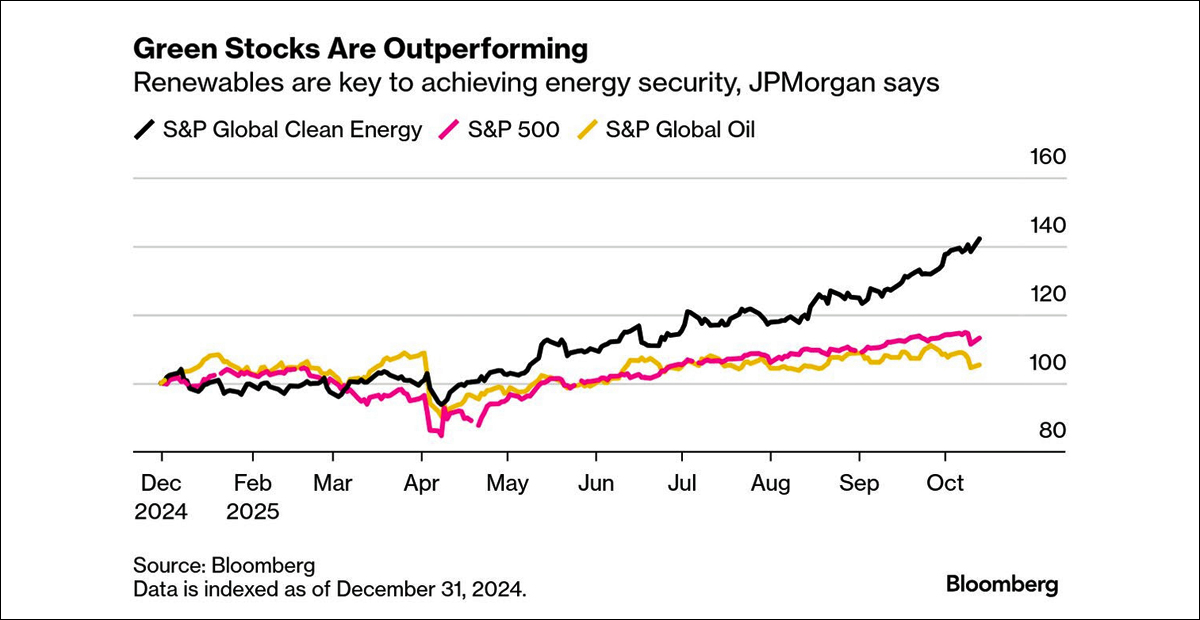
Economic experts say there’s no ambiguity here – without wind and solar, the U.S. is unlikely to meet our power needs. That reality is driving investment and business interests, even as the Trump administration’s focus is on increasing fossil fuel use. Read more here.
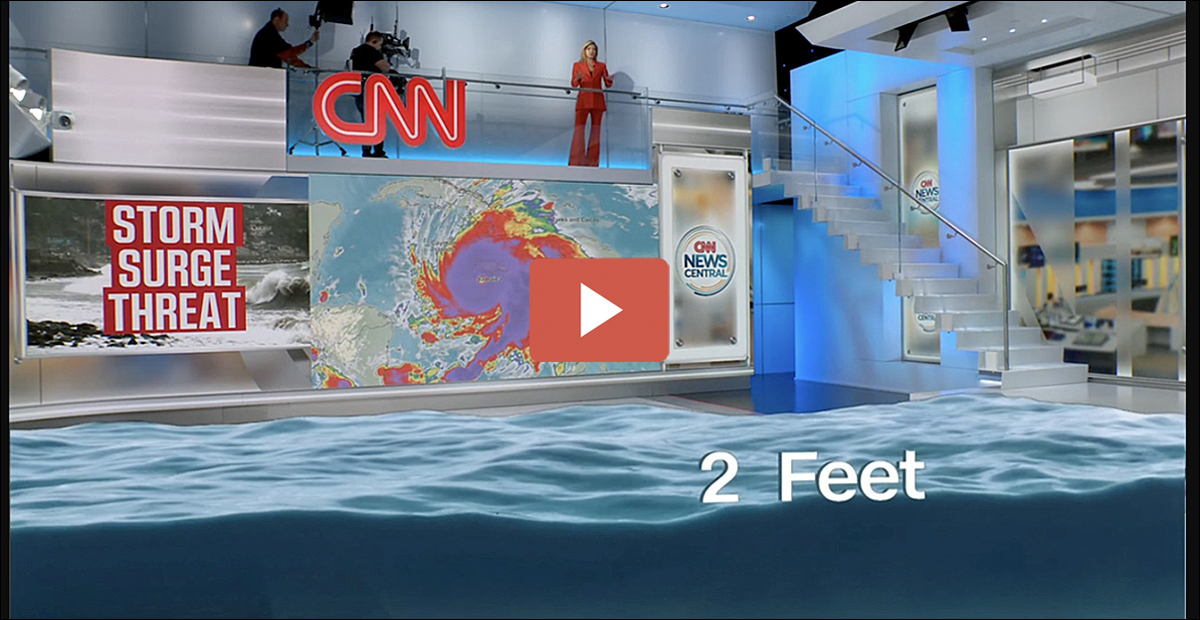
Notable Video
Source: CNN
Hurricane Melissa left a path of unspeakable devastation across the Caribbean, where low-lying island nations are ill-equipped to handle the catastrophe of storms supercharged by climate change. Deadly winds and torrential rain are only part of the problem – storm surge also causes mass destruction. This CNN video illustrates what a storm surge of more than 10 feet – as occurred in Jamaica and Cuba – actually looks like.
August 2025
Dear Friends,
When is winning really losing? It’s when the results of victory cause the opposite impacts than desired, harm supporters more than opponents, and boost your biggest competitor.
The Trump administration’s stance on energy is indeed a losing proposition. It purports to provide cheaper and more secure energy, but in fact drives up costs and limits supply at the exact time that our demand and electricity prices are soaring.
Producing new electricity from utility solar in America today costs as little as $38 a megawatt hour: the most efficient natural gas plant provides the same amount of energy for $107. Solar and battery projects can come online in two years; natural gas plants typically need a five-year runway, in large part due to a shortage of turbines. In short, thwarting new clean energy is making us less energy secure. Consumers will pay for it – experts predict policy changes will make electricity prices rise up to 18% over the next decade, or $192 per average household on an annual basis, and increase the risks of blackouts.
In the big picture, who is being harmed the most? Rural and “Red” America. About 80% of the job and economic growth from clean-energy investment was planned in Republican-leaning districts. That investment has already dropped by a third over the first half of this year versus a year ago. And while anti-wind action has harmed offshore projects, it has impacted the country’s “windbelt” the most – the highest losses are in Texas, with Idaho, Iowa, and Nebraska not far behind.
On the international front, the United States’ reversal is allowing China to extend its lead in this lucrative sector, which provided 10% of China’s GDP growth last year. China is becoming the “one-stop shop” for clean energy. And increasingly, its clean-energy products are superior to fossil fuel versions. For example, China produces EVs that can charge in five minutes, run for 600 miles, and cost significantly less than combustion engine cars. China is also exporting solar and wind technology around the world, enabling developing countries to manufacture “homegrown” electricity that is more secure and less expensive than fossil fuel imports.
And in a stunning role reversal, CO2 emissions in the U.S. rose 4.2% in the first half of 2025, while China’s fell 2.7%. As the U.S. leaves the Paris Agreement and disparages climate action, China is positioning itself as a climate leader, announcing a partnership with the EU to lower climate heating and calling the Paris Agreement the “cornerstone of international climate cooperation.”
It doesn’t feel good to be a loser – to pay more for less. I want our country to be the winner, to build the energy systems of the future, to save money, and to provide a healthier, more economically secure world for our kids and grandkids.
Don’t you?
Sincerely,
Kathleen Biggins
Founder and President

Notable Quote
“Ten years from now we could look back on this moment as the time in which the U.S. pulled back and essentially lost the transition to clean energy.”
– Nick Nigro, Atlas Public Policy, regarding the predicted impacts of the “One Big Beautiful Bill Act” on the renewable energy sector
News of Concern
The administration is working hard to create cover for its unraveling of climate science and action, including a recent DOE report that scientists say is filled with “error, bias, and distortions.” In one glaring mistake, the report states that Arctic melting is minimal, shrinking 5% since 1980. The actual number is 40%. The AP and other news outlets have debunked much of the report’s information, but the administration’s misinformation campaign is incredibly effective, and dangerous, because many people believe that narrative – and that belief precludes them from taking action to stay safer.
And we all need to get ready for climate change, as was so clearly evidenced by the tragic flooding in Texas in July. The flooding was made worse because of two climate impacts. First, warmer ocean waters and a warmer atmosphere enable more water vapor to be held in the atmosphere – for every degree Celsius increase, the atmosphere holds 7% more vapor, and that means floods will continue to get more dangerous. Second, the ground was parched from a drought exacerbated by higher temperatures, and the soil could not absorb enough of the flooding to slow it down. These one-two punches are becoming more frequent in our country and all around the world.
We’re also seeing a one-two punch when it comes to protecting ourselves from supercharged weather events. Hail, for example, is getting larger as the climate warms up, causing $20-$35 billion in losses annually, according to insurance experts. But impacts fueled by climate change are making it increasingly difficult to get affordable insurance, especially in the Midwest, where premiums are skyrocketing.
As noted above, our electricity rates nationwide are also soaring – in large part due to the cost of making our grids more resilient to wildfires, storms, and heat waves. Almost 40% of recent cost increases are from upgrading and hardening our grid – and making repairs after extreme weather events is driving up costs as well. This affordability challenge will only get worse as energy-hungry AI centers come online – a single center can require as much electricity as an entire mid-sized city.
Costs are also being driven up by the administration’s action to keep inefficient coal plants online. Coal only provides 15% of our electricity, but it is the most expensive fossil fuel. Keeping these plants running instead of replacing them with cheaper (and cleaner!) fuel sources will cost utility customers billions of dollars.
But there are things happening that are perhaps even more concerning than these direct hits on clean technology. The administration is dismantling much of our scientific expertise, limiting our ability to measure climate change impacts to help farmers, businesses, communities, and families prepare for climate changes. And in a move that would handicap future administrations’ ability to regulate greenhouse gases, the EPA wants to rescind a landmark finding that declared CO2 and other emissions are a danger to our health and welfare.
We know climate change affects our health, but we don’t yet know how to put a cost on how it impacts our happiness and mental health. For many of us, summer has always been an idyllic state of mind as much as a season of outdoor pleasures. But in many places it has become so much more hot and sticky – so much so, scientists have created a new metric to measure “stickiness.” Even the Steve Miller Band, musical mainstays of the summer stage, canceled its 2025 tour because of the risk of extreme weather.
It’s giving us the summertime blues, literally and figuratively. And we have to wonder, what we’re gonna do…
News of Hope
However, at the same time that the U.S. government is trying to minimize action on climate change, the highest court in the world just elevated the issue in a powerful way heard around the world. By recognizing that a healthy climate is a human right, and claiming that countries have a legal obligation to protect the environment from greenhouse gases, the International Court of Justice is holding countries accountable to action – a much-needed bolstering in the drive to lower emissions.
It’s a global issue that needs global action, and a recent move by the European Central Bank could have far-reaching impacts. By integrating a “climate factor” into its financing operations, the bank is doubling down on holding companies accountable for their carbon footprints and upping the motivation for creating cleaner products and processes.
More good news – about 90% of the world’s new renewable energy is now cheaper than power from fossil fuel generation. The world saved almost $500B in energy costs in 2024 using renewables versus fossil fuels. And momentum is growing, with the EU spending 63% more on renewables in the first half of 2025 than a year ago, even as the U.S. investment declined.
And climate action is moving forward, even if it’s in a whisper instead of a roar. Banks are quietly pulling funding from fossil fuels lending and investors are piling into renewable energy, even though they are doing it quietly and withdrawing from associations that could spark the administration’s ire.
We also saw great hope in a recent test of a critical concept in California. The state successfully tried out a two-way grid in July, drawing power from more than 100,000 residential batteries to provide electricity. This model holds great promise, especially as the demand surge from AI and electrification is challenging our existing system. If end users can store and sell energy back to the grid during peak usage periods, it changes the equation dramatically – we’d no longer need to build the same quantities of new power generation facilities.
Adaptation is key to protecting ourselves, our loved ones, and our communities. Two cool new gadgets really got us excited. They’re both sensors designed to keep us safe – a pinecone-sized device could give people a leg up on staying safe from wildfires and a patch that farm workers would wear to monitor vital signs while working outdoors in extreme heat. Ideas like this can change our world one person at a time, making it possible for us to have a healthier future – imagine that.
Notable Graphic
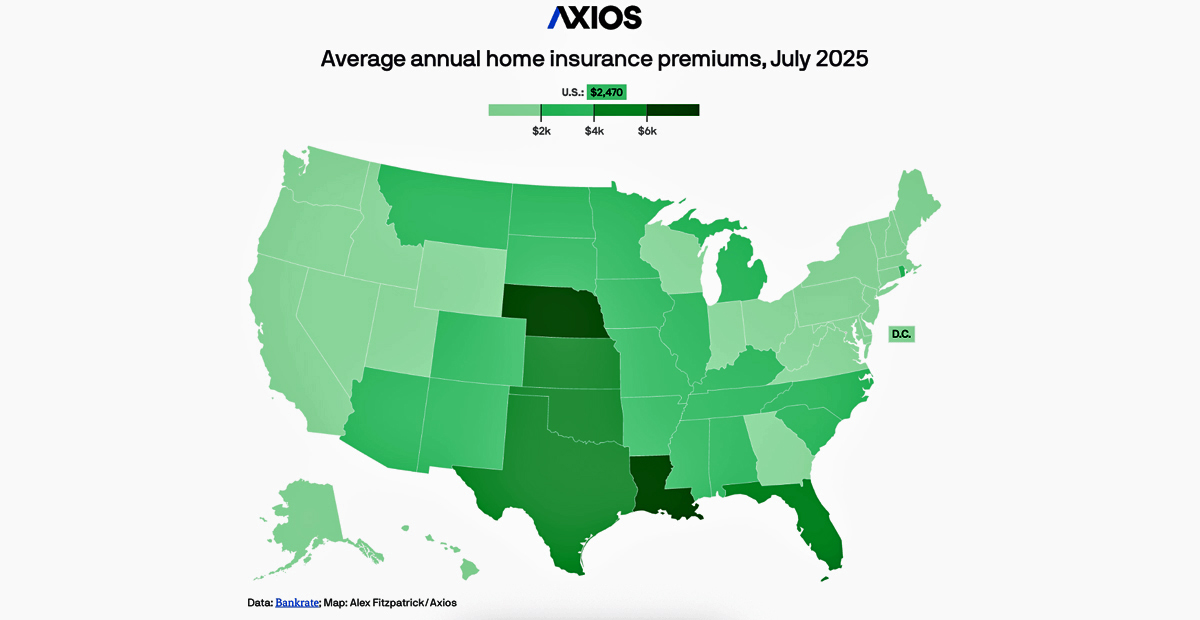
As climate change supercharges our weather, our risk of loss increases – and that is making insurance premiums much more expensive. The national average for home insurance is up 9% since 2023 and, as this graphic shows, it’s particularly high across the Midwest and South.
Notable Quiz
Source: The New York Times
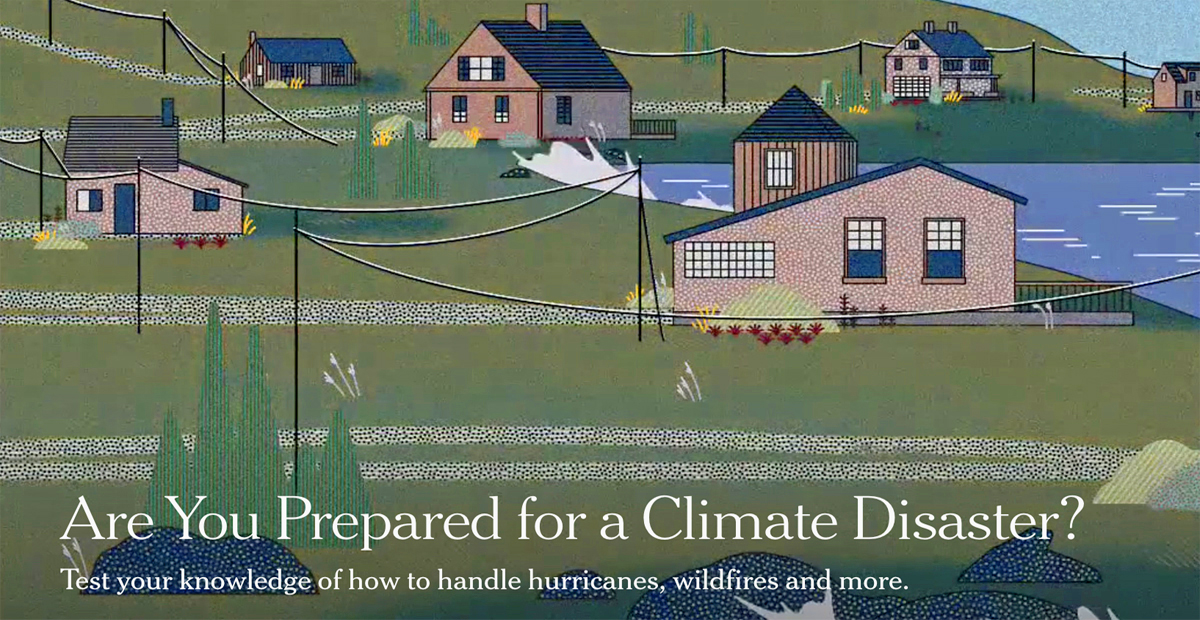
This month, instead of watching a video, we hope you’ll take this interactive, eye-opening New York Times quiz. You’ll learn a lot about what you need to do to keep yourself and your loved ones safe if you’re faced with a climate disaster.

June 2025
Dear Friends,
It looks like America is heading for a King Midas moment. You know the one: the king in the Greek myth who was granted by the gods his wish that everything he touched be turned to gold. For a glorious moment he was thrilled, touching everything around him and amassing greater and greater wealth. And then, a horrible moment of reckoning as he tried to eat food and hug his daughter – and both turned to gold. His gift was really a curse, threatening his very existence and his daughter’s future.
Doubling down on fossil fuels parallels that choice – creating fleeting gains but ultimately imperiling our well-being and our children’s future.
We’ve said it before, and we will say it again here – we need fossil fuels for the short- and midterm, and finding safer ways to use them makes sense. We can’t power our economy without them for quite a while. But we can, and should, wean ourselves off of them as quickly as feasible. That means building a more modern energy system that is safer, more reliable, and more affordable. And while the U.S. appears to be retreating, other countries are stepping forward, building this new system based on electrification and a suite of clean-energy sources.
Amazingly, in what is perhaps a true gift from the gods, several of these sources – industry-scale solar and wind – have gotten so inexpensive that, even coupling them with storage, they are becoming cost competitive with building a new fossil fuel plant. And given that the cots solar and wind in the U.S. had been on track to drop another 60% by 2060, you can see just how lopsided this competition is becoming. The real riches come in the savings from scaling and improving these and other new technologies – and from avoiding the escalating damages we are accruing from using fossil fuels at such high levels.
King Midas was released from his curse, but real life isn’t a myth. As we double down on fossil fuels and retreat from the benefits and savings of the new, modern energy system, reversing the damage will be much harder to do.
Sincerely,
Kathleen Biggins
Founder and President
Notable Quote
“Extreme heat used to be considered the ‘invisible peril’ because the impacts are not as obvious as of other natural perils. With a clear trend to longer, hotter heat waves, it is important we shine a light on the true cost to human life, our economy, infrastructure, agriculture, and healthcare system.”
– Jérôme Haegeli, chief economist, Swiss Re Group
News of Concern
It appears that the world is on track to blow past our stretch goal of keeping the global surface temperature increase to 1.5°C, the number agreed upon by most countries 10 years ago in the Paris Agreement. And indeed, we’re feeling it right now. Summer has just begun in the Northern Hemisphere – already, Alaska issued its first-ever heat advisory and 40 states sweltered under a record-breaking heat dome of excessive heat and humidity.
We’re in uncharted territory now. Earth’s atmosphere hasn’t held this current level of carbon dioxide in millions of years, and it’s still climbing – at an alarming rate. It’s so hot, even the oceans are experiencing heat waves. The water off the usually chilly coasts of Ireland is so warm – up 7.2°F from normal – that algae is blooming and octopi (a warm water species) are raiding crab pots and gobbling mollusks, posing a risk to shellfish fisheries. And the warmer water is making sonar less reliable, putting our submarines and sailors at risk as they navigate deep in the sea.
But instead of embracing efforts to slow emissions increases, new federal policy is accelerating their rise, with Secretary of Energy Chris Wright saying the Trump administration sees climate change as “a side effect of building the modern world.” The Energy Department is canceling $3.7 billion for clean-energy projects that aimed to reduce emissions, pivot from fossil fuels, and capture carbon from the atmosphere. The EPA plans to roll back rules on air pollution from fossil fuel power plants. And in a move that surprised utilities and regulators, the administration is forcing aging fossil fuel plants that were scheduled to close to keep running – a decision that is expected to cost taxpayers billions of dollars.
That’s far from the only hit to our wallets. Our grid is woefully inadequate for our burgeoning electricity demands and costs are rising rapidly, up 6.2% versus last year. It will only get higher as we scramble to find enough energy sources to power AI, data centers, electrification, and our greater use of air conditioning as temperatures ratchet up.
Meanwhile, natural gas turbines are facing severe supply chain constraints, pushing new plants out five years and tripling their costs, and international conflict is causing oil and gas pricing to be very volatile. On top of energy costs going up, HVAC equipment is as well, in part due to tariffs.
Even more financial stress for taxpayers and homeowners is ahead as our costs of repairing and rebuilding from disasters caused by climate change have skyrocketed and our insurance premiums leap to mirror the increased risk. In the past year, the U.S. spent almost $1 trillion on disaster recovery – an amount equivalent to 3% of our GDP. And experts say our GDP will lose another $1 trillion in climate costs to public health, households, and the economy by 2035.
And if we want to step outside of our homes to enjoy the outdoors … well, that’s getting more fraught, too. Higher temperatures have led to a tick explosion, allowing them to expand into new territory like the Canadian north, and to have a longer biting season. Ticks carry a wide range of debilitating diseases so we all need to enhance our precautions.
News of Hope
But even as American energy policy shifts to promote fossil fuels, the energy transition is still accelerating, with clean-power sources providing the majority of our electricity in the U.S. for the last three months running. And Texas – a deregulated energy state where market forces, not regulatory favoritism, have made the state the top producer of renewable energy – has figured out how to use battery storage to keep the lights on and air conditioning humming on even those hottest Lone Star days, with blackout risks diminishing to under 1%.
We see hope in the coalitions that are forming to push forward with climate action. States are bonding together to support the domestic growth of electric vehicles. Pension funds and insurance companies are uniting to prevent investors’ portfolios from contributing to deforestation. And neighborhoods are coming together to decarbonize en masse, moving from natural gas to electrical appliances and HVAC, driving down their electricity costs and making the air cleaner for their families.
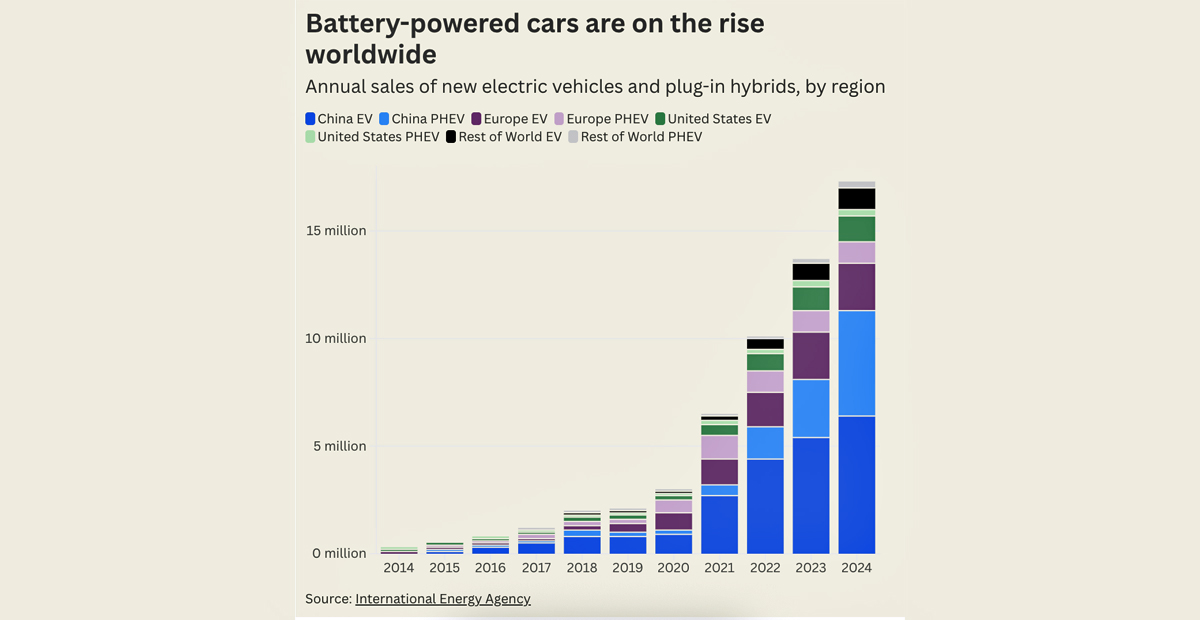
Electrification is key to this developing new energy system. Electric appliances, heat pumps, and even cars are much more efficient than their fossil fuel counterparts. That means electrical versions take a lot less energy to provide the same utility. (Think about it: your car gets hot when you drive it – that’s a whole lot of wasted energy – while an electric car stays cool.) Globally, heat pumps and EV sales are skyrocketing. Electric vehicles now comprise 20% of car sales, with EV penetration tripling since 2021. Even in the U.S., EV sales are still growing, and our charging network is finally improving as well. We added 10,000 new chargers in the past year, and they’re not just for Teslas. And as new models hit the market for about $29,000, EVs are becoming way more affordable here.
Intriguingly, new technology developed in China could make our EV cars last a lot longer by enabling us to reenergize spent lithium batteries. Remember, EVs are basically batteries and computers on wheels – there are few other maintenance costs. So if we can revive their spent lithium-ion batteries, not only will we reduce our waste but it will extend the life and value of our cars.
Another ray of hope? Thanks to attribution science, we now can now identify and measure climate change’s influence in individual extreme weather events. This data can help us be better prepared – and it may alter the legal landscape around climate change as well. The first wrongful death suit targeting fossil fuel companies was just filed in the United States and a landmark ruling in Germany said that corporations can be held liable for their contributions to global warming. Such actions are opening up the fossil fuel industry to punitive action for climate damages. The fossil fuel industry is concerned. In a counterpunch, the Trump administration announced it is suing four states that are litigating against or charging “superfund” fees to fossil fuel companies for their role in climate harm.
We leave you today with what might be a worldwide gamechanger. Rice – the primary food for 50% of the world’s population – is a major contributor to global warming, due to its water-intensive nature and its high methane emissions (10-12% of global levels). Scientists in Chile may have figured out how to make rice less thirsty, a discovery that has vast potential for reducing water use as well as methane emissions. We do love a win-win story and we’re crossing our fingers while we watch this one play out.
Notable Graph
Notable Video
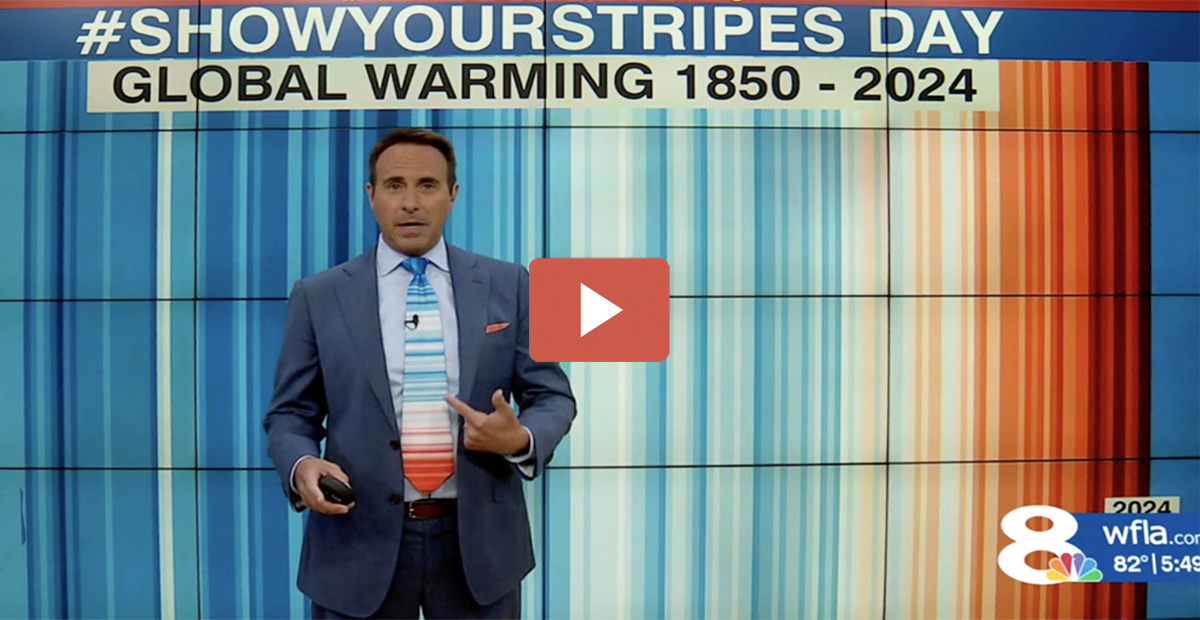
Expert meteorologist Jeff Berardelli (whom you may remember from this C-Change webinar) marked “Show Your Stripes Day” on June 21. This eye-catching chart shows how warm it’s become – and how quickly – around the world. You can find more “warming stripes” charts and information at Climate Central.

April 2025
In its first 100 days, the Trump administration has taken a wrecking ball to cleantech and climate action…

March 2025
|
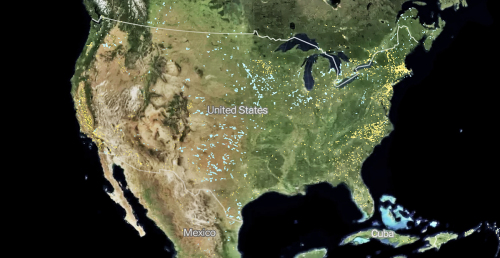

| We’ve spoken quite a bit about our concern that insurance is becoming more difficult – or impossible – to get in many parts of the country due to extreme weather events. In this sobering report, one industry expert says climate change could cause at least 20% of U.S. homes to be devalued, a devastating blow for our economy and our own wallets. |