By Kathleen Biggins, C-Change Conversations
Did you hear the news? Climate concern is dead! No need to worry, because the Tech Titans have it in hand and the issue will be solved in a decade. New tech has already bludgeoned our emissions trajectory into submission, and we are now on a relatively safe path! Humanity is going to be fine!
At least that’s what conservative pundits and politicians gleefully wrote about Bill Gates’ letter to COP30 negotiators. Gates wrote that while climate change is a “serious problem,” it is not the inevitable end of civilization and that we should set targets that ensure human health and economic prosperity versus setting temperature targets such as staying below a 2 degrees C increase. He noted doomsday messaging can turn people off, and technology holds great promise.
The letter set off a firestorm. Deniers are heralding it as proof that climate worry is inane, while scientists and climate communicators are lambasting it as underrepresenting the risks and providing fodder for deniers. Others believe Gates was “ponying up” to the administration, throwing climate change under the bus to try to protect funding for antipoverty and health initiatives.
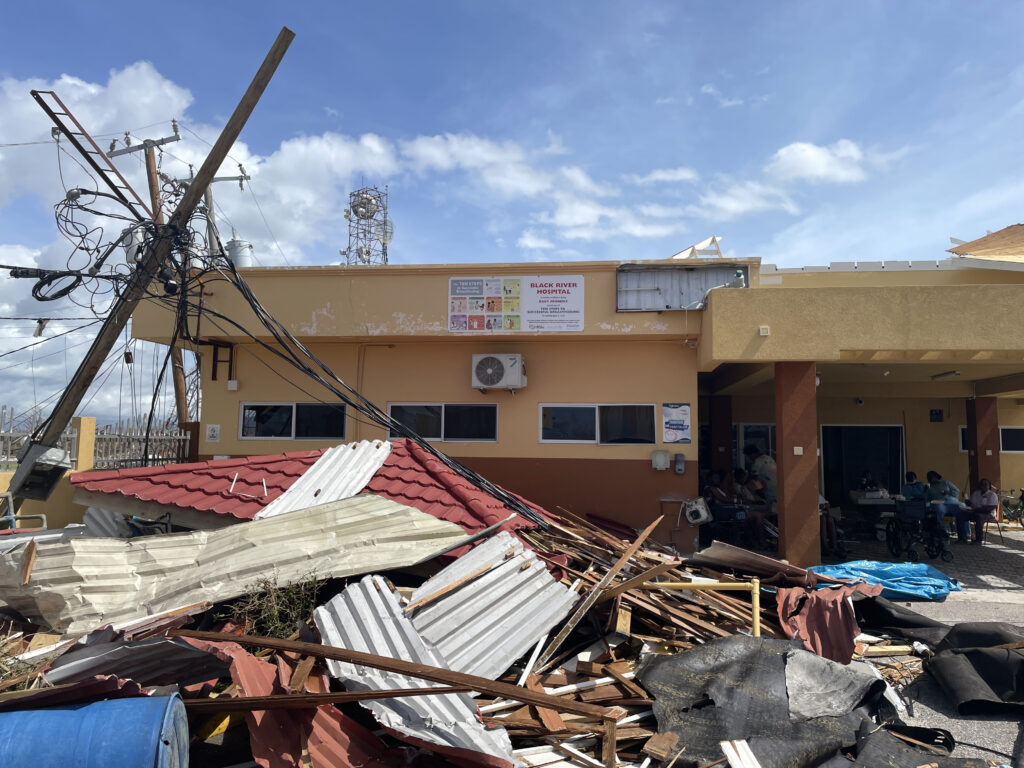
Poignantly, on the same day that Gates published his letter and the blogosphere started to erupt, a climate-infused Category 5 hurricane battered Jamaica, with early reports indicating 30% of the country’s GDP has been obliterated. Just a few days later, Vietnam experienced an unprecedented rainfall – 5.6 feet in 24 hours – that caused widespread flooding, deaths and agricultural loss.
While we sit here arguing about how to think and talk about climate change, nature is continuing to do her new dance – jiving outside the lines that we have always thought constrained her. And whether it ends civilization as we know it or just makes life incredibly hard for future generations, it’s not going to be good.
Let’s look at some basic facts:
- This trajectory is NOT safe
Bill Gates notes we are on a trajectory for our average global temperature to increase 5.22 degrees F (2.9 degrees C) by century’s end. That 5.22 degrees F increase is an average of land and sea temperatures, so it’s going to be a lot hotter than that on land, which means a large chunk of our country will feel like living in Saudi Arabia.
It also means that in the not distant future, swaths of our country will be too hot and humid for even the healthiest of humans to be safely outside for long periods of time. That is probably going to crimp fall football – and it’s not great for farming, construction, forestry, or the safety of our police and soldiers who work outside, either.
The oceans will get very hot, too, with tropical water temperatures projected to migrate up to Georgia by century’s end, and to Boston by the end of the next century. These rapid and extreme temperature swings will make it harder for many species – including our own – to thrive.
- The pain is just beginning
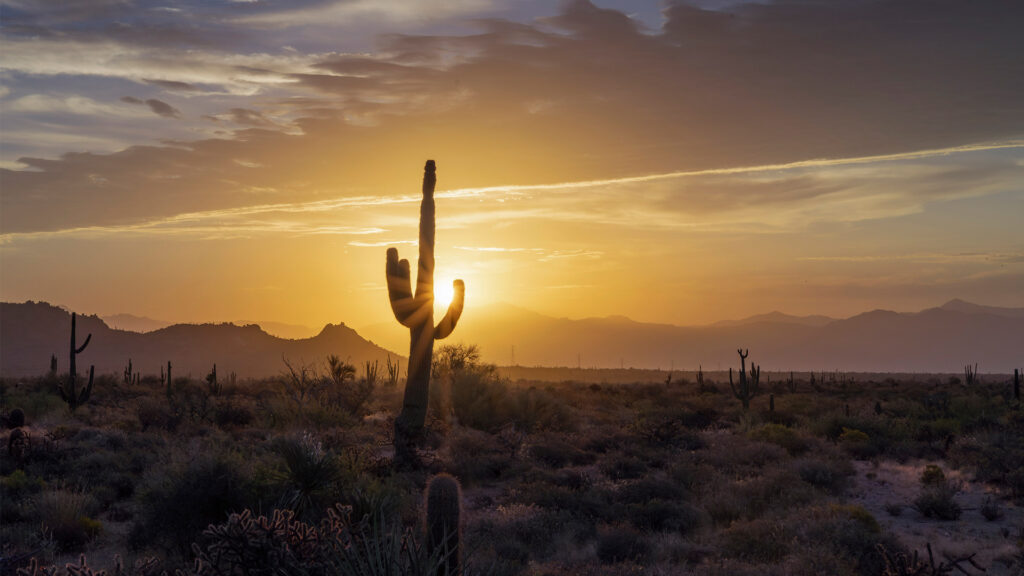
Scientists have warned for decades that crossing the 1.5 degrees C increase was a critical point – beyond it, climate impacts will get much worse. So the impacts we are living with now – rising oceans washing away beach homes; intense rains inundating “safe” mountainous places like Asheville, North Carolina; Phoenix’s 113 consecutive days of 100 degrees or higher in 2024 – are really just an “amuse bouche,” a taste of what’s to come as we push nature out of the norms we’ve always known.
- Tipping points are real and irreversible
Neither the pundits nor Bill Gates’ letter acknowledge the real risks of crossing tipping points – significant changes in our natural world on a grand global scale that cannot be reversed. Which should we be the least concerned about? Lifeless skeletal coral reefs in the tropics? Rapidly melting glaciers and ice sheets (5 miles in 2 months in Antarctica)? The Amazon rainforest – the “lungs of the world” – turning into savanna?
- Older technologies are the climate heroes
Solar and wind – not the shiny new stuff of Bill Gates’ dreams – are a big reason our emissions trajectory is down. Since the Paris Agreement in 2015, we’ve flattened our emissions trajectory, potentially lowering our future warming by almost 2 degrees F.
Wind, solar and batteries are the chief workhorses, picking up almost all new energy demand globally and bringing savings and more energy independence to those who adopt these technologies. As of this year, humanity will get more electricity from renewables than from coal. Even Texas, the nation’s fossil fuel mecca, is now powering its economy on 40% renewables, crediting solar and batteries for keeping the air-conditioning humming during its brutal summer heatwaves.
Renewables are growing exponentially because they tap into unlimited power sources, can be produced locally and are more affordable than fossil fuels. And they are also proving to be quite reliable. California added so much new renewable capacity last year that it ran its economy on 100% renewables for 132 days in 2024 without a single grid failure. It also is significantly lowering electricity generation costs – an important goal because the wildfire mitigation and infrastructure investment that are necessary due to climate change are driving energy distribution costs up.
- Shiny stuff does hold promise – but we’re not there yet
There is much to get excited about – including geothermal, fusion and new types of storage – but are we ready to bet the farm (aka our planet) on it? And those technologies cannot be built fast enough to make a difference NOW, when energy demand is burgeoning due to AI and data centers and fossil fuels plants are coming back in vogue in the United States.
We need smart policy and investment to get the shiny stuff tested and scaled, but we also need more of what’s already working. We don’t need our government picking “winners and losers” – to borrow a phrase – and preventing the build-out of the cheapest and most abundant energy technologies we have, especially at a time when prices are skyrocketing.
Climate change makes it harder for all of us to stay safe, healthy and economically secure. We need a stable climate in order to have prosperous, healthy communities. Our “human systems” (agriculture, finance, insurance, water management, health care, urban planning and construction) all depend on predictable norms of how the natural world works – how hot and cold it will get, how much rain will fall, how strong storms will be, how crops will grow, what diseases we face. And that foundation is critical not just for the impoverished (Gates’ main concern) but for all of us on the planet.
Conservative pundits who disparage climate action are using Gates’ letter to inflame their base and drive up readership. But in doing so, they are telling vulnerable people not to worry – and not to prepare.
We all know it’s wrong to shout “fire” in a movie theater when there is no danger. What about the opposite? With heat and smoke filling the theater, these misguided pundits – and Mr. Gates – are telling their readers to sit down and enjoy the show.
Kathleen Biggins is the founder and president of C-Change Conversations, a nonprofit organization dedicated to promoting productive, nonpartisan discussions about the science and effects of climate change.
Banner photo: Bill Gates takes part in a panel at the World Economic Forum in Davos, Switzerland, in January 2024 (Republic of Colombia, Public domain, via Wikimedia Commons).
This is a repost of a blog published in The Invading Sea newsletter.